A New Era of International Design Begins at Mumbai’s Nilaya Anthology
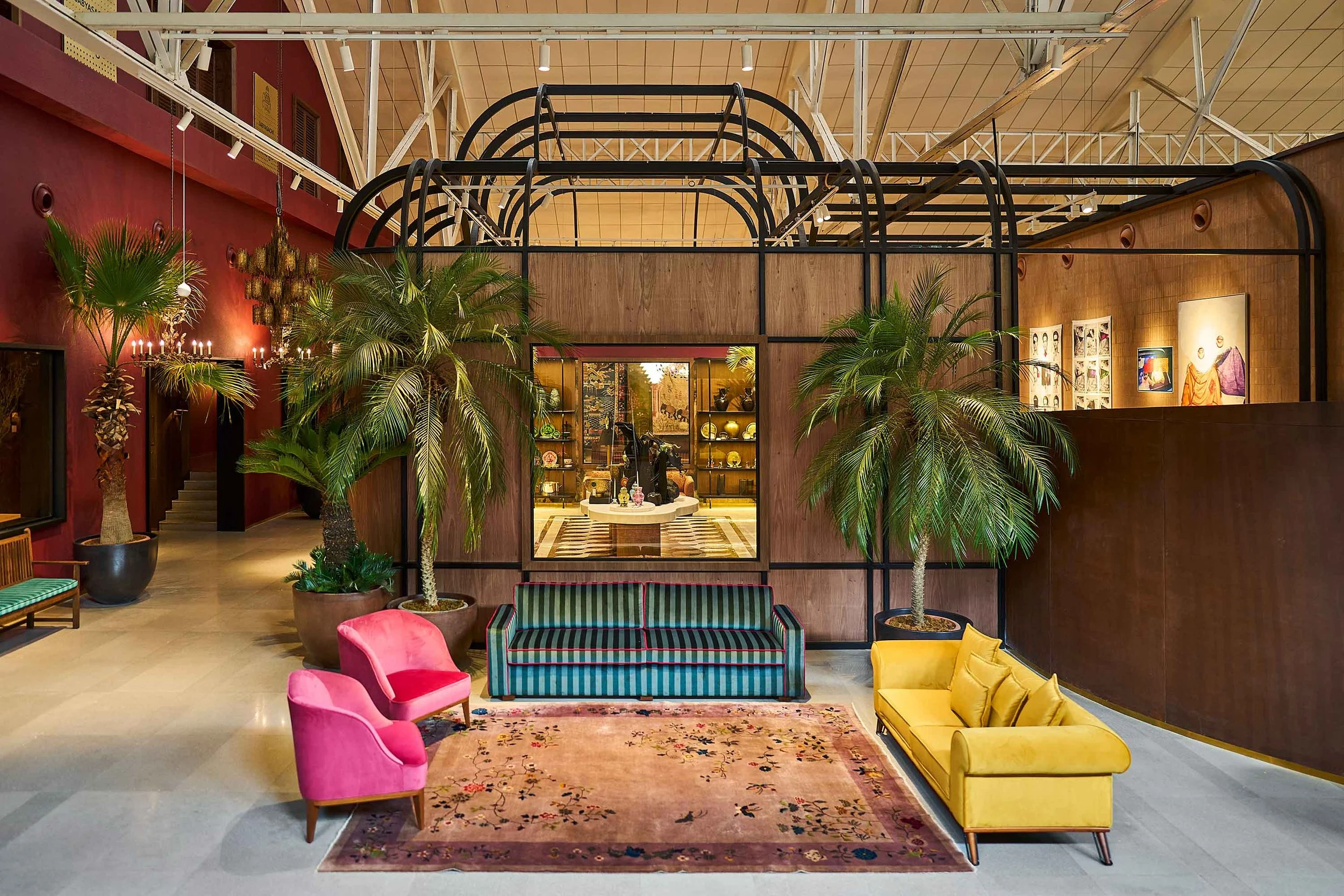
The ambitious showroom, designed by architect Rooshad Shroff, is a first-of-its-kind experience centre for architects, designers and design connoisseurs
A few years ago, the idea of a 10,000-square-metre design experience centre in a megalopolis like Mumbai might have seemed overly ambitious, but Mumbai-based architect Rooshad Shroff and client Asian Paints saw it as an opportunity to challenge the city’s spatial norms and reimagine how design could be experienced, shared and celebrated at scale.
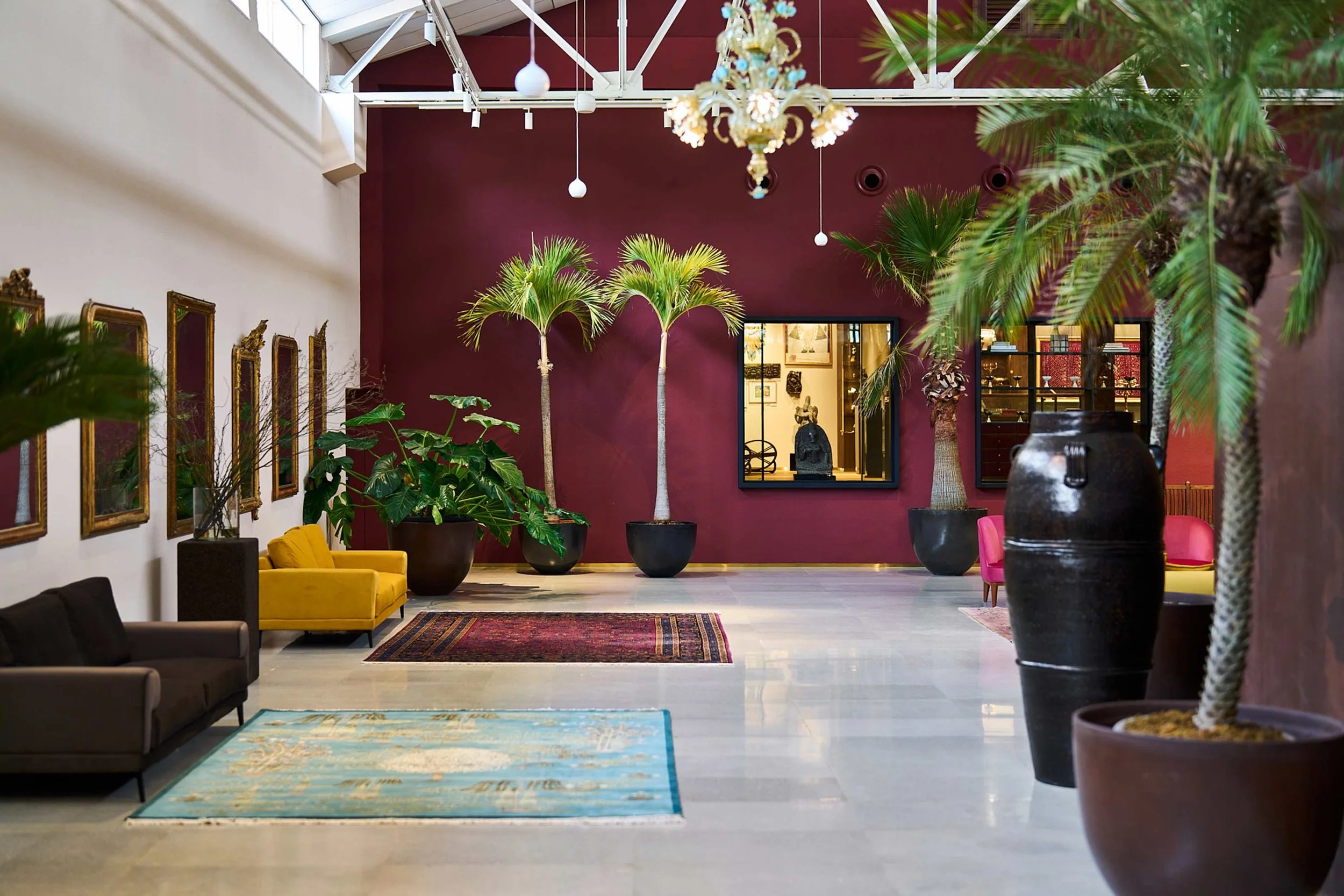
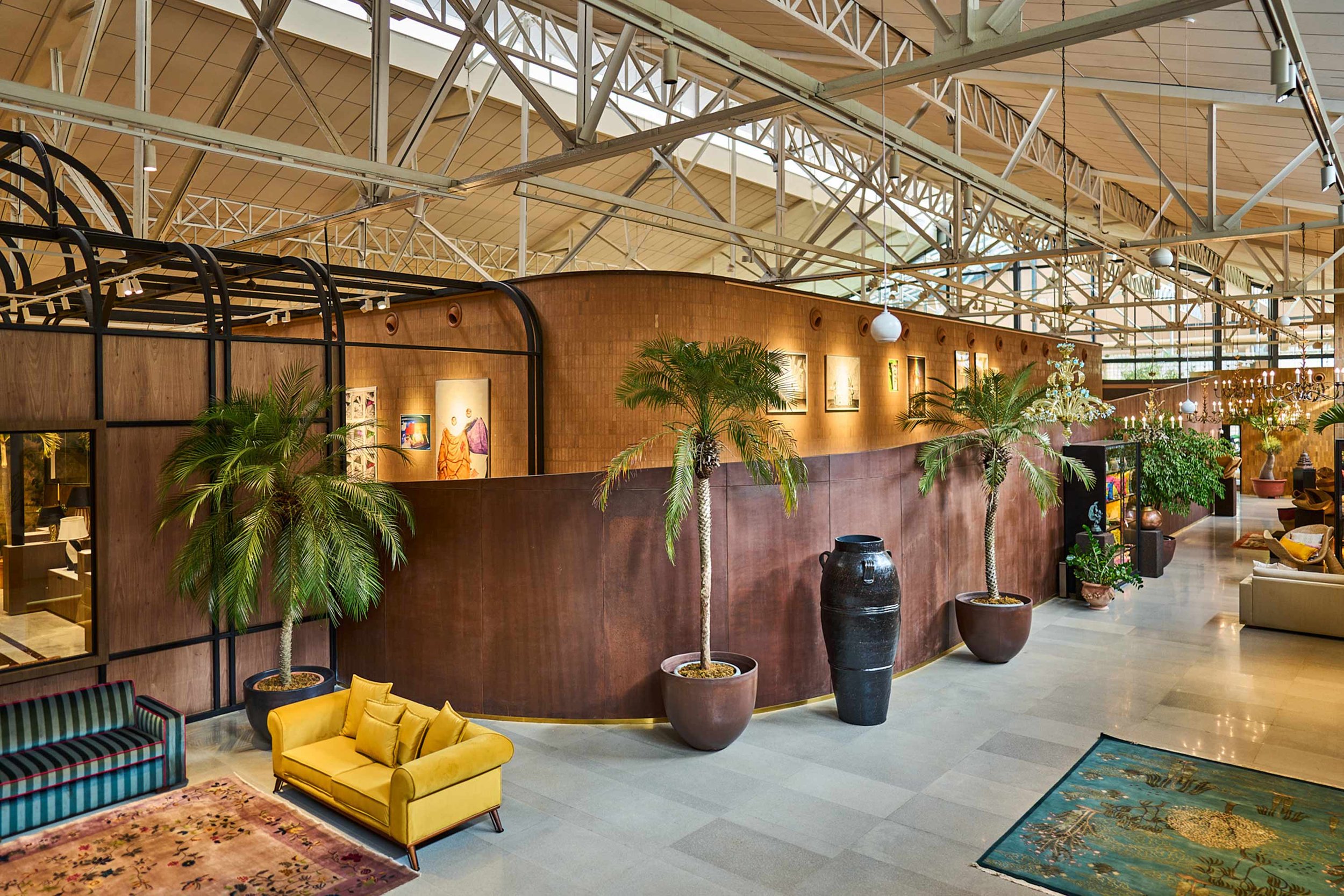
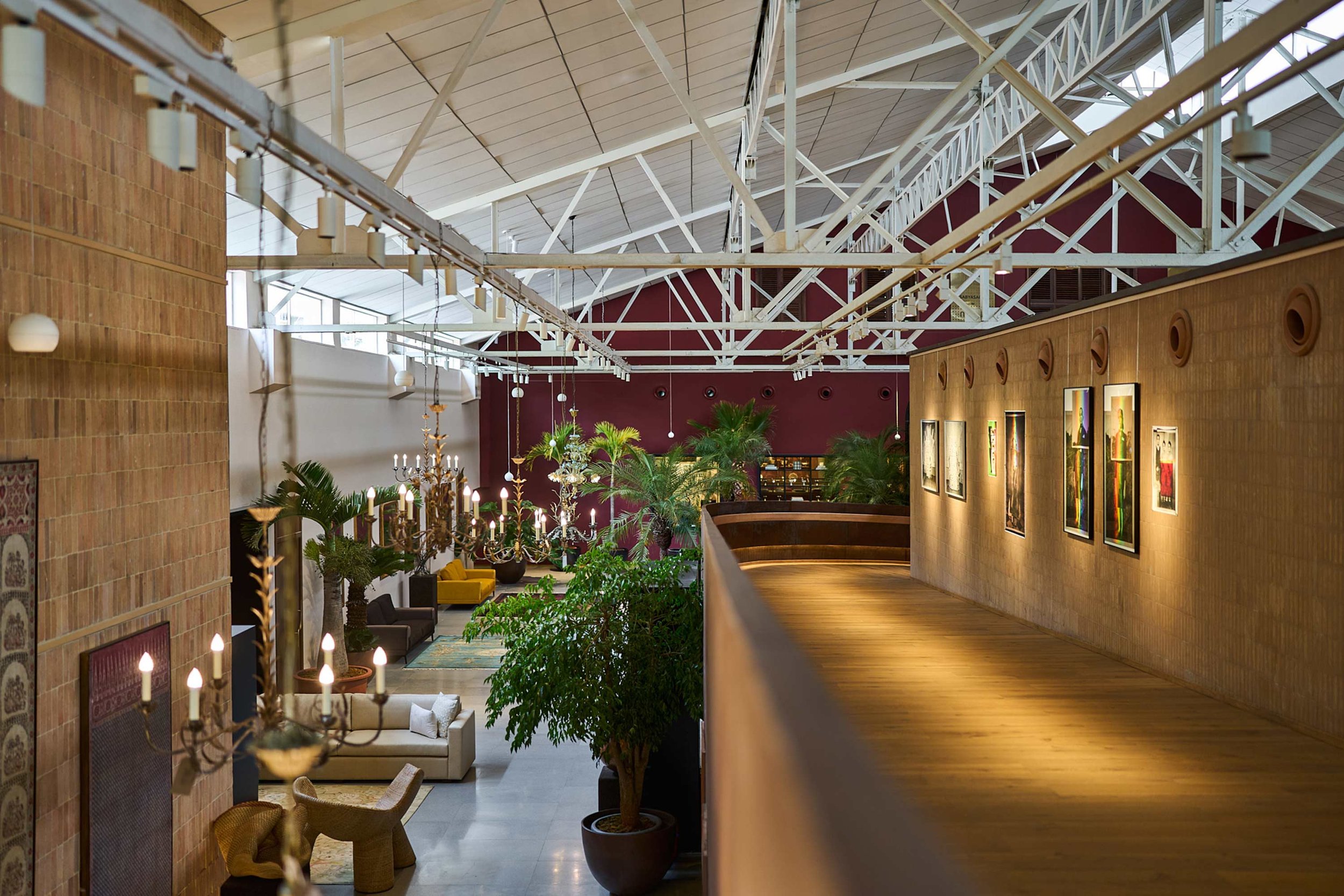
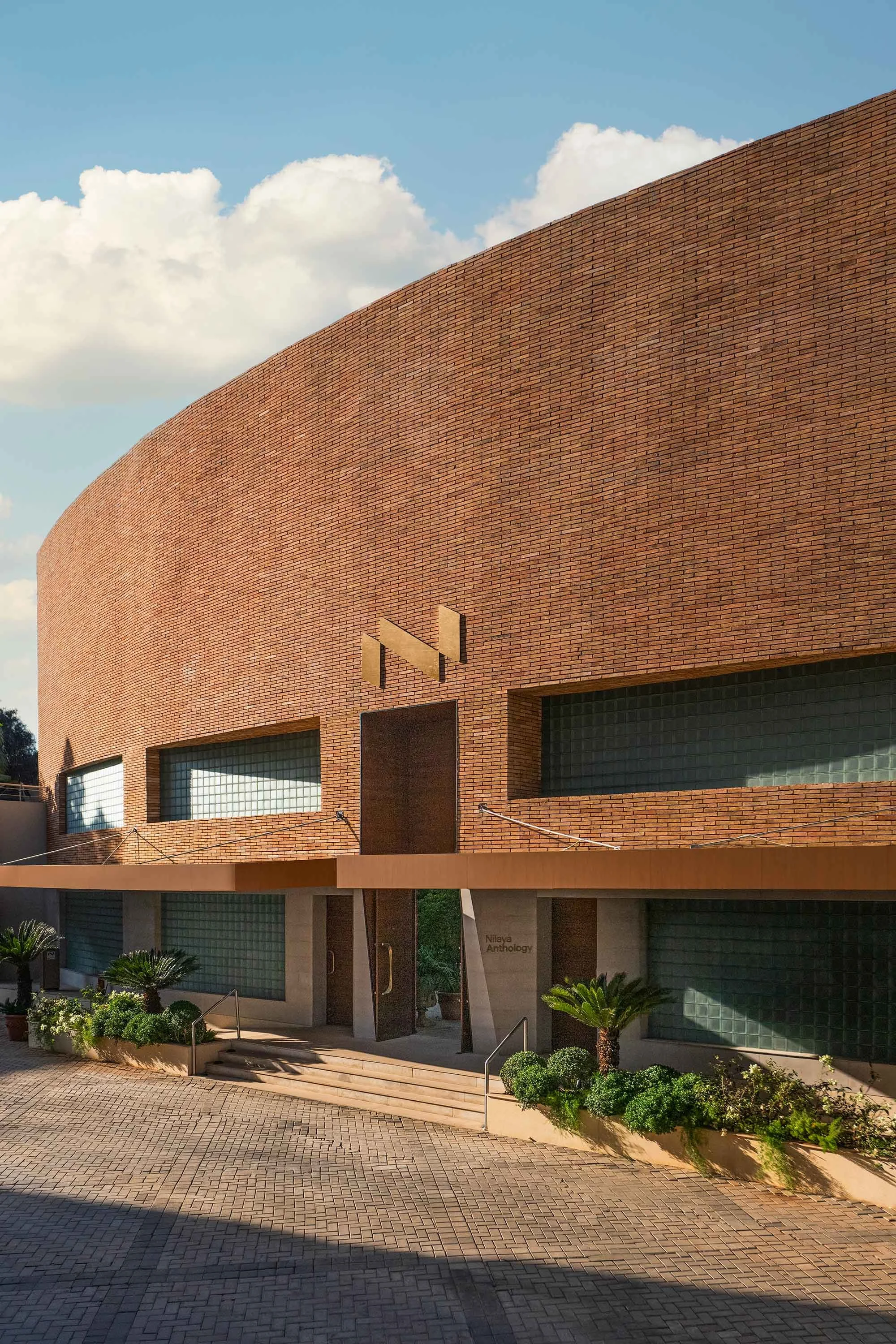
In designing Nilaya Anthology, India’s first-of-its-kind global luxury design showroom, Shroff has transformed a former mill into a whimsical retail wonderland, honouring the bones of the existing structure while introducing unexpected moments of discovery. ‘The design of the centre came from a big spatial question: how do you fit a mix of programmes into a space that feels open and connected, while still holding onto the charm of an old warehouse and the energy of a lived-in precinct?’ says Shroff.
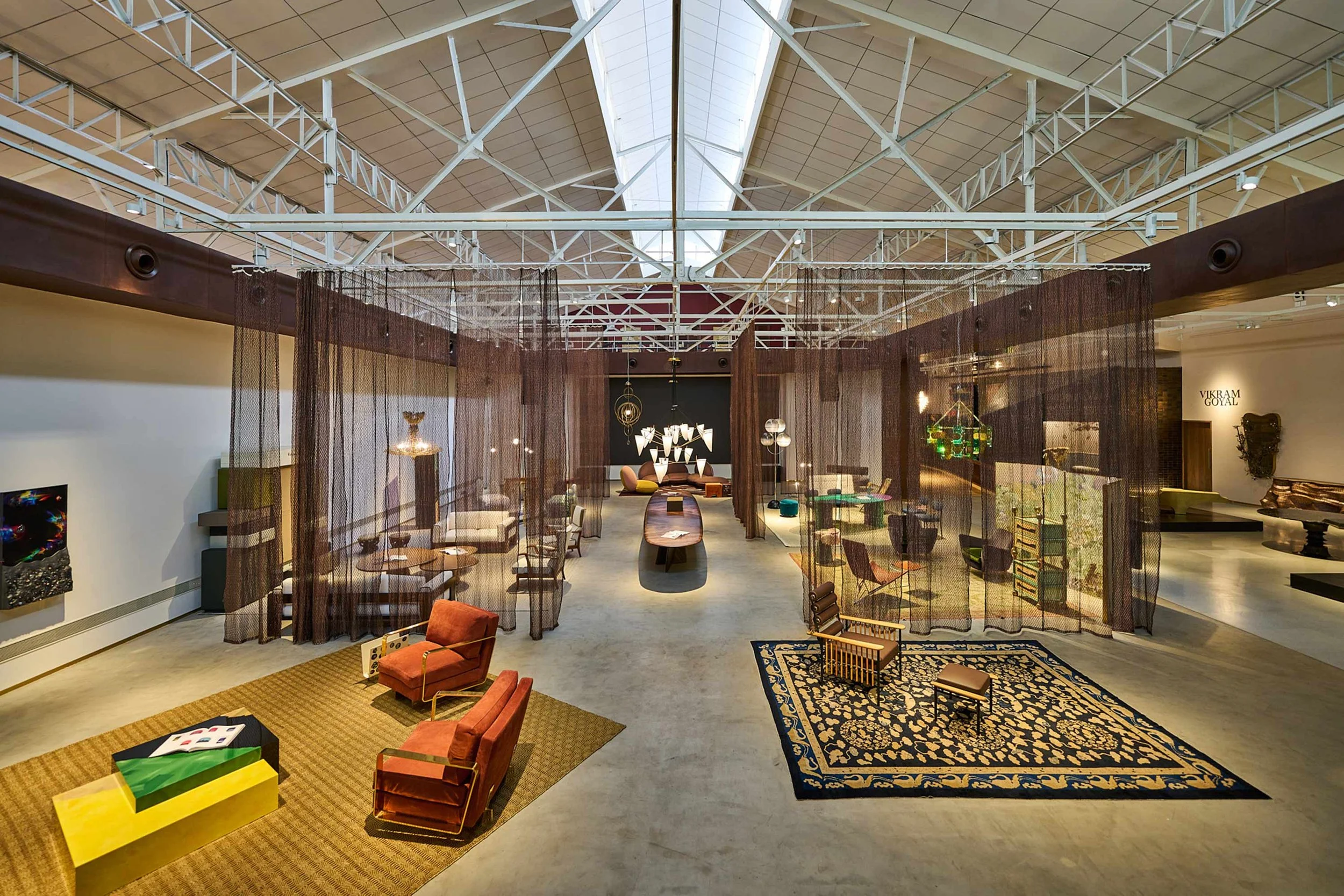
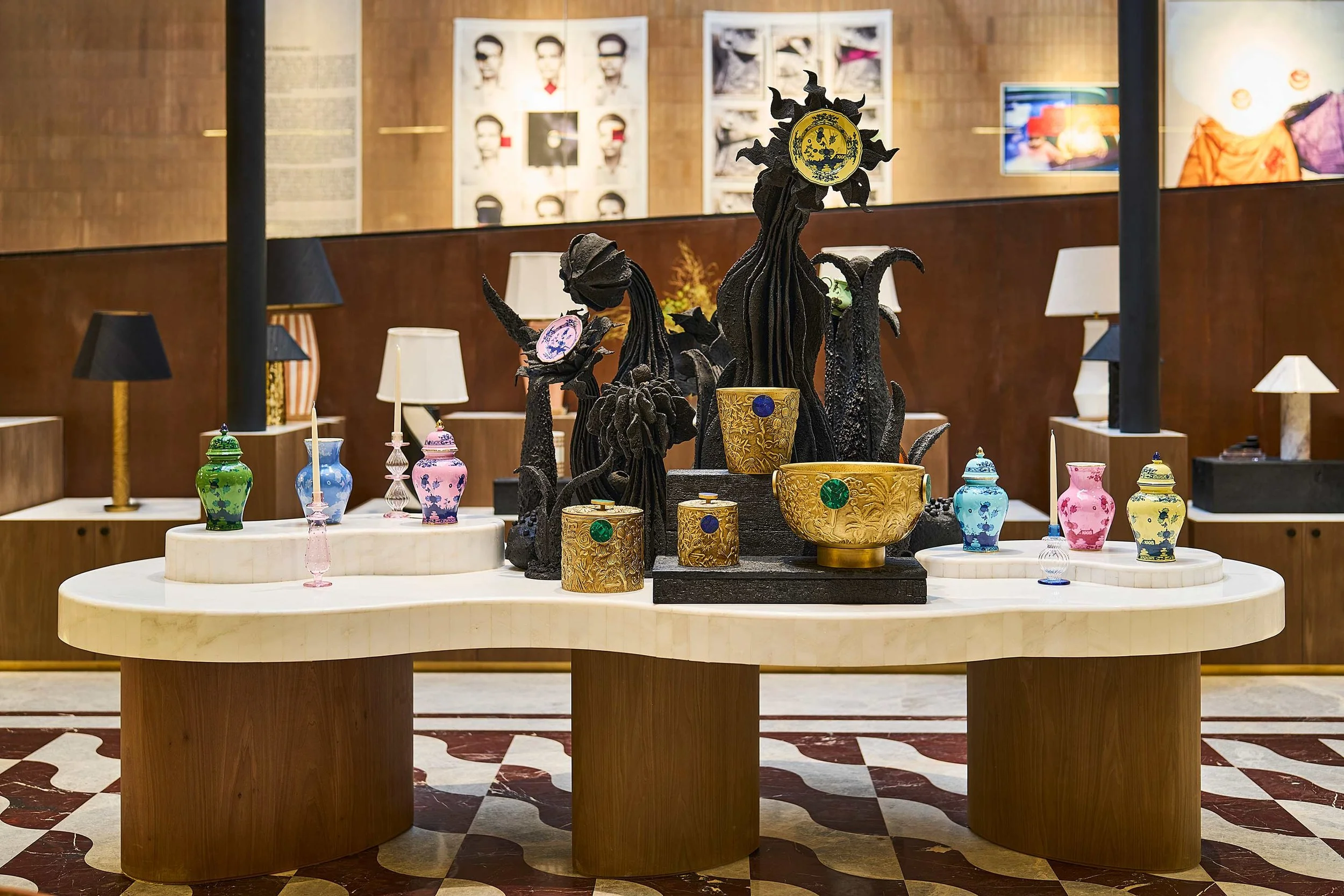
For a design destination that celebrates the Indian vernacular through local artisanry and design houses — including brands like Atelier Ashiesh Shah, Heirloom Naga, Sabyasachi, Vikram Goyal Studio, Injiri and pieces from Shroff’s own collectible design vertical — alongside international labels such as Cassina, Paola Lenti and Lema, Shroff set his sights on giving each experience equal pride of place. His approach focused on developing a series of interconnected spatial moments that unfold across the site, creating a meandering and memorable experience for first-time visitors, while allowing regular users to find rhythm in repetition.
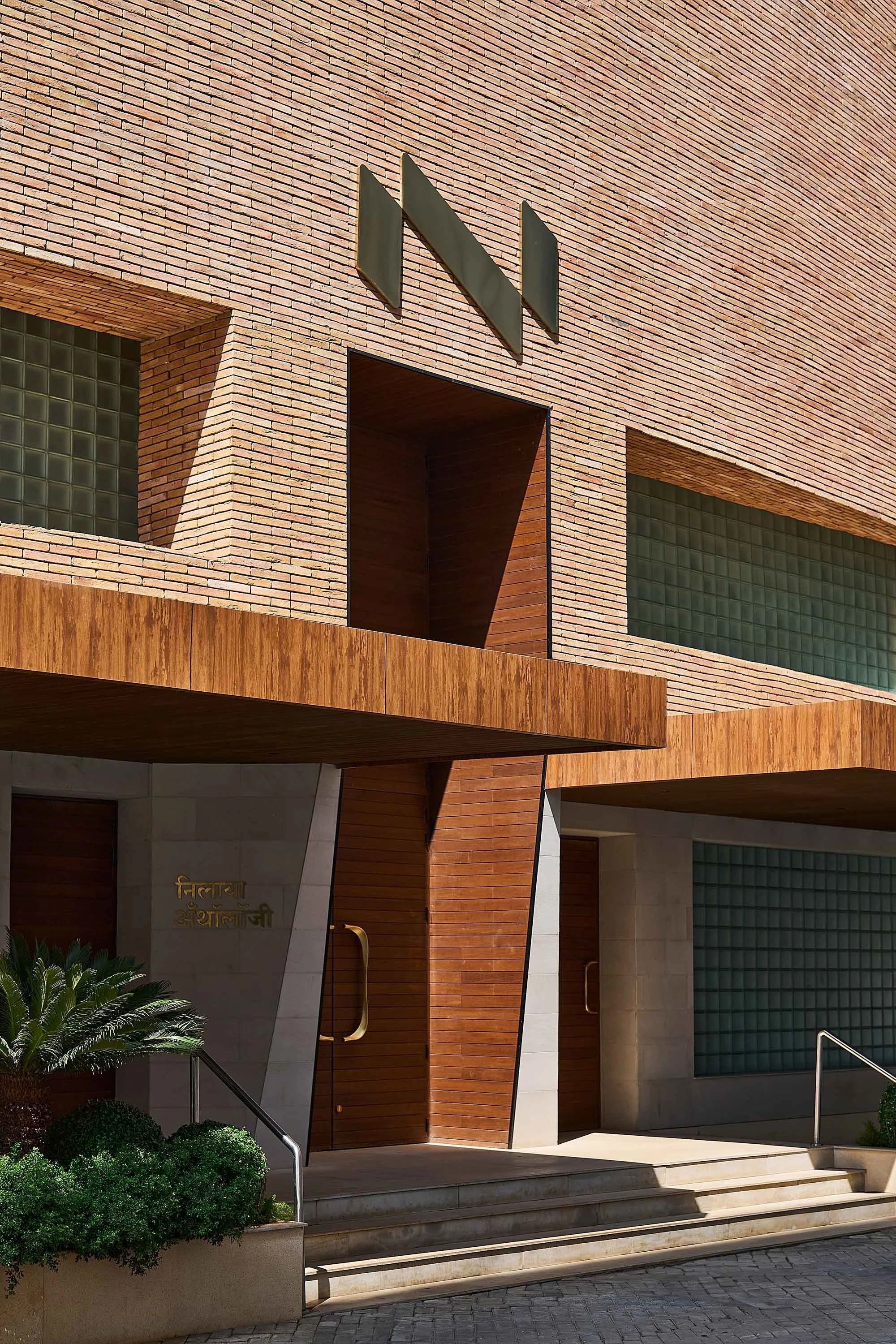
As the architect explains, the design — through two distinct structures — was aimed at engaging architects and designers differently from end consumers. This duality took shape in the guise of a warehouse volume for consumers, featuring galleries and restaurants, and for trade customers a separate two-storey shophouse that showcases both global design brands and local craft, and includes a co-working space and material library.
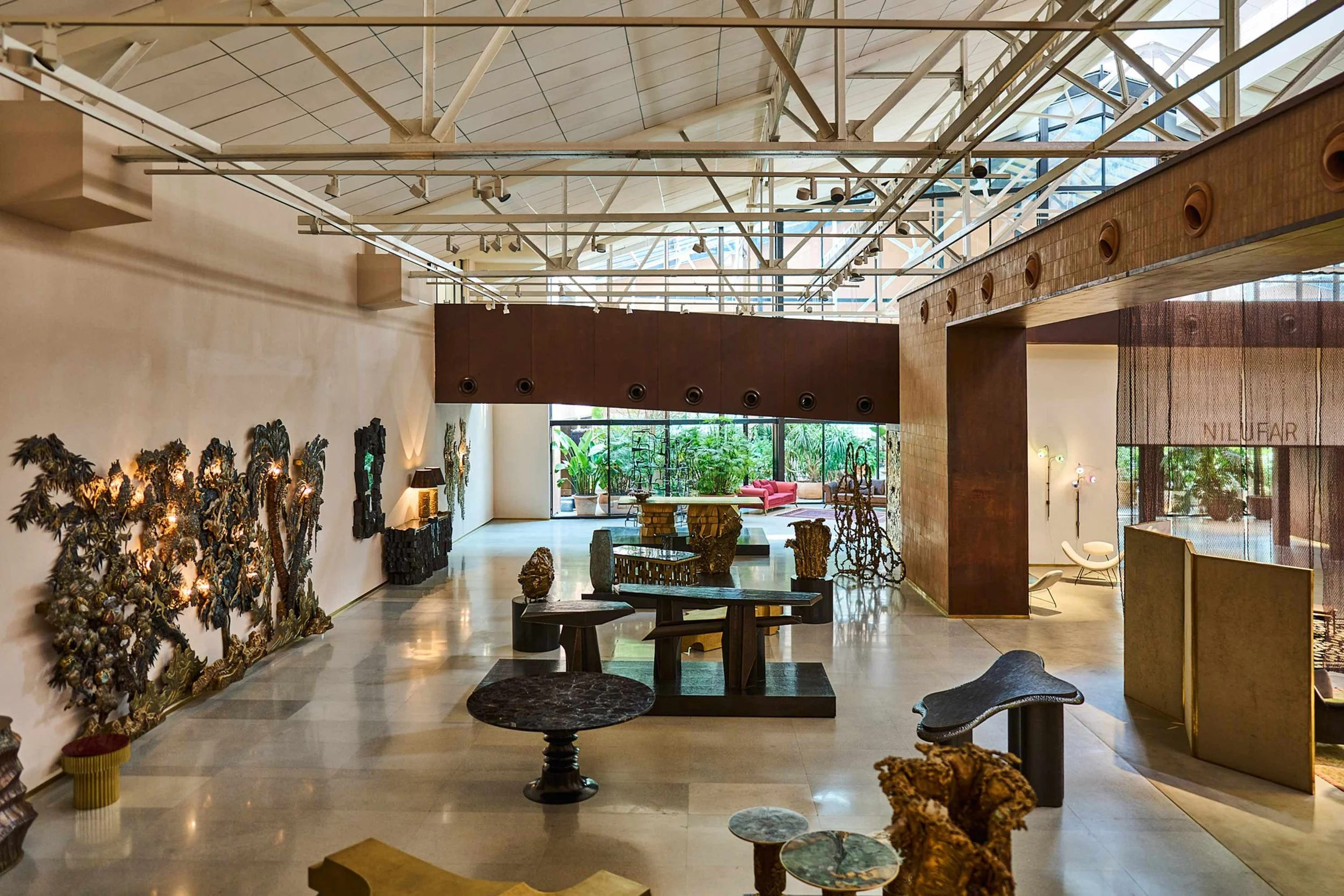
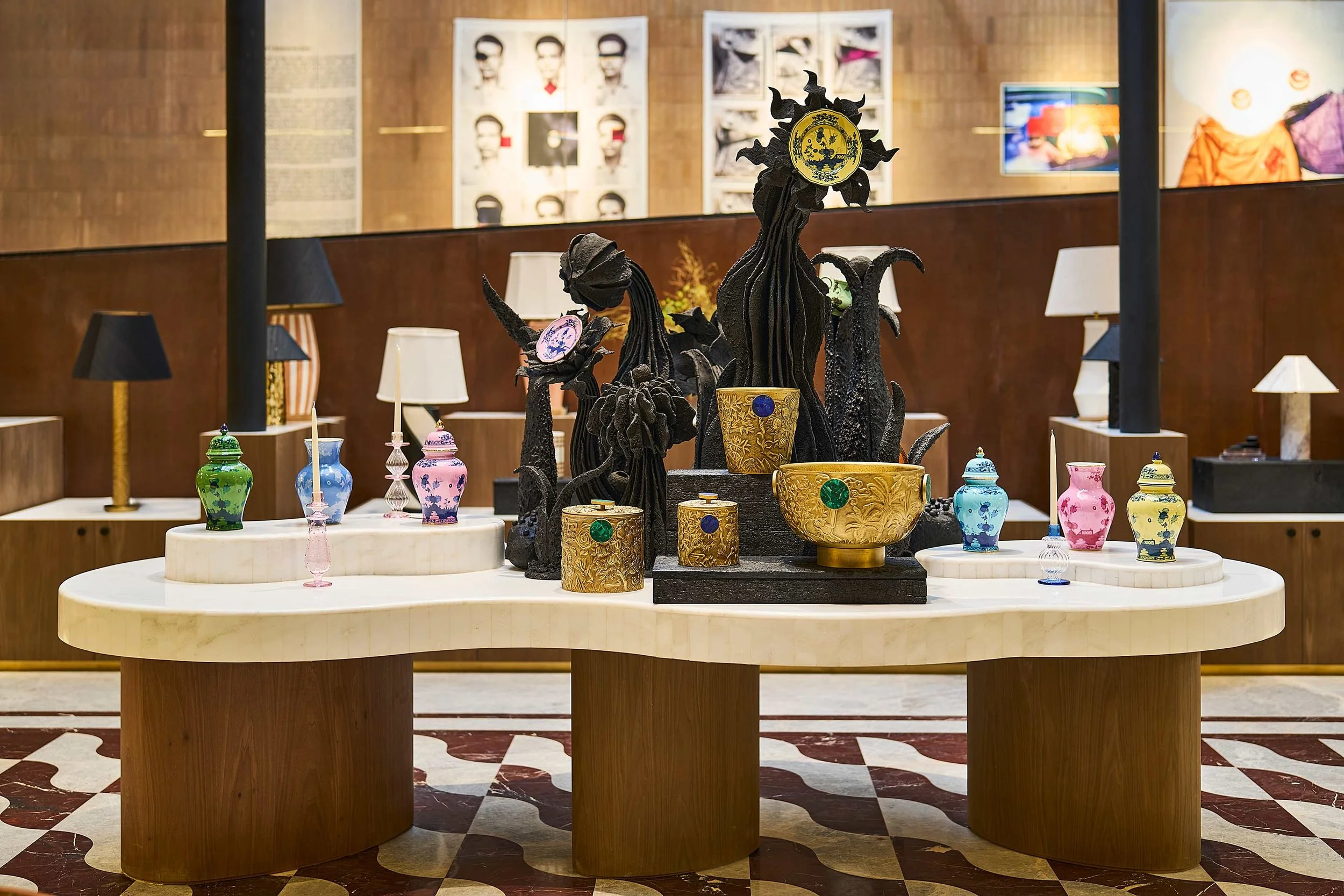
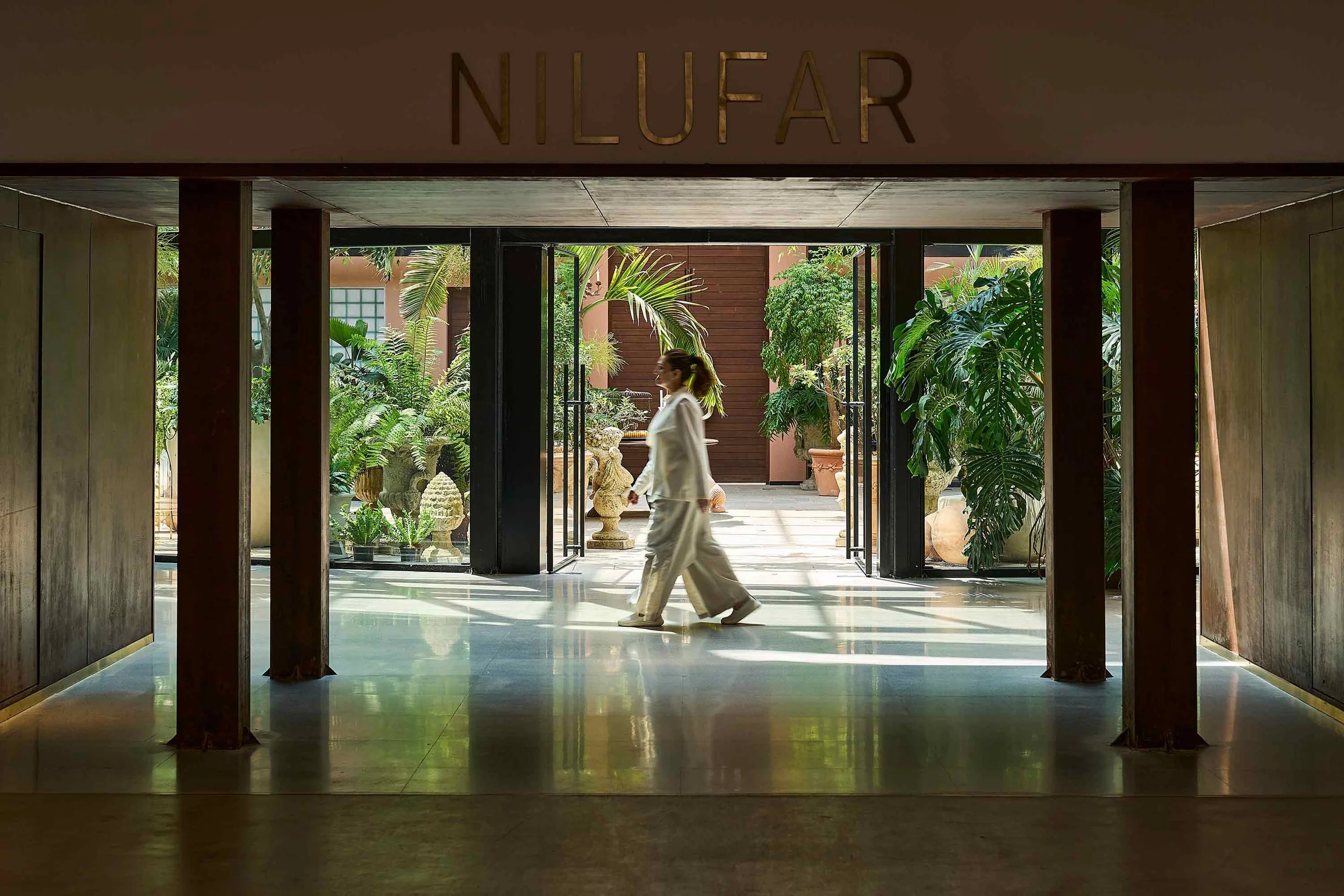
Notably, Nilaya Anthology also marks the India debut of gallerist Nina Yashar’s Milanese art gallery Nilufar. Showcased as a pop-up for six months, the gallery brings the India debut of contemporary, vintage and Nilufar Edition pieces, all carefully distilled into characterful exhibits. Among the eclectic array of lighting, furniture and product designs on view are the 20th-century Italian folding chair from the Nilufar Archive; Michael Anastassiades’s Palm floor lamp; Bethan Laura Wood’s Triple and Double Bon Bon wall lamps; the Verde Oak screen by Amanda Valle; and the Low table #3 by Khaled El Mays.
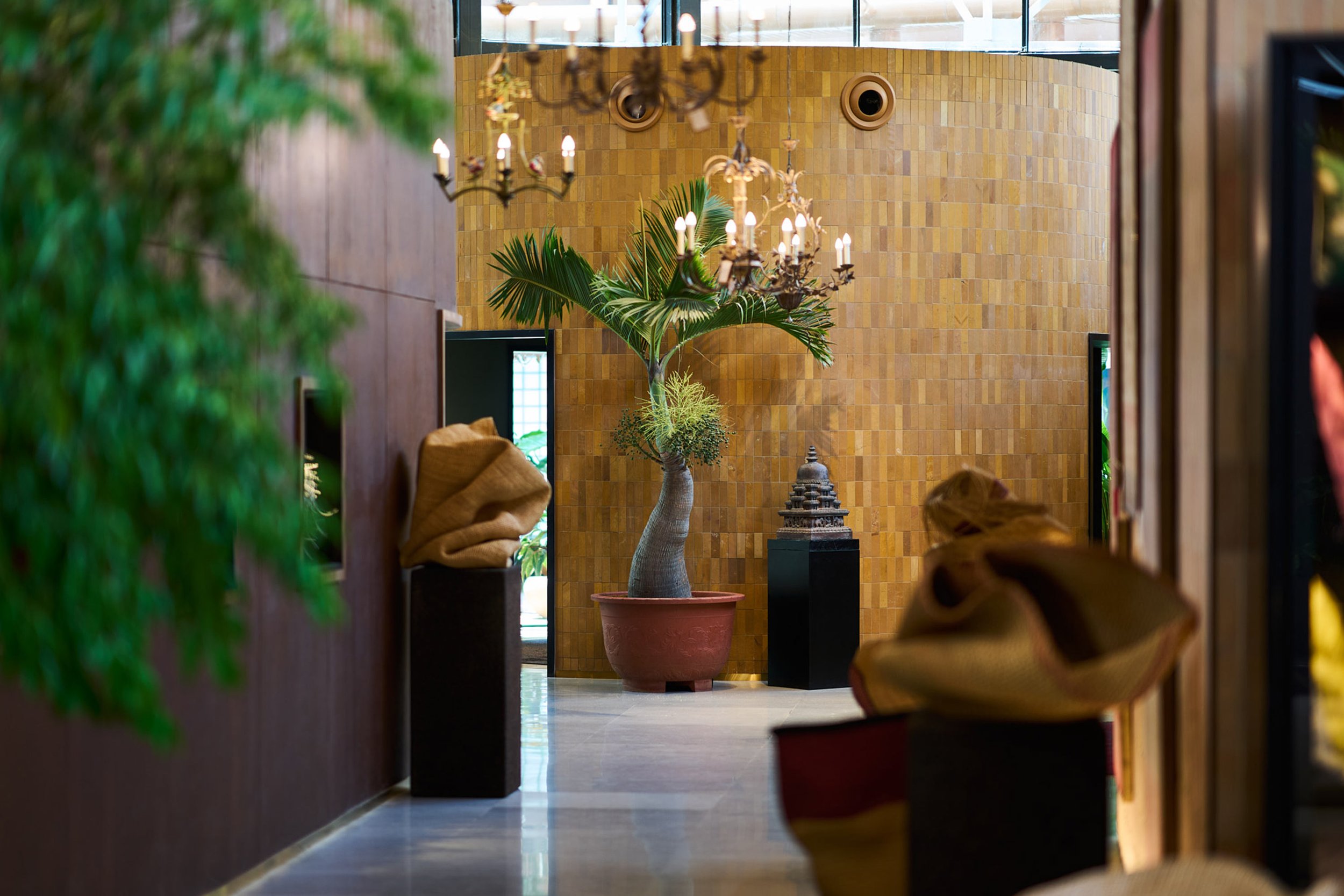
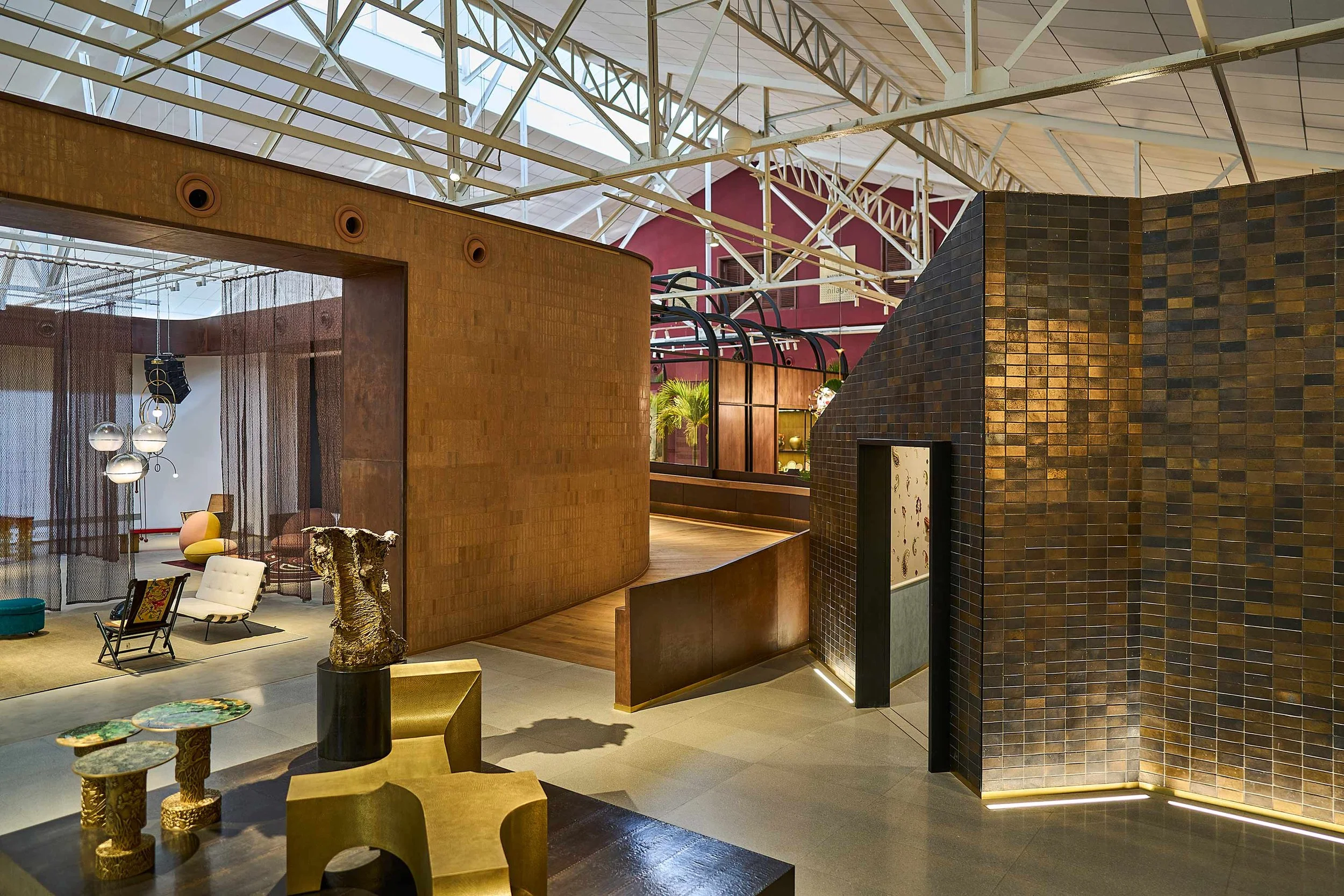
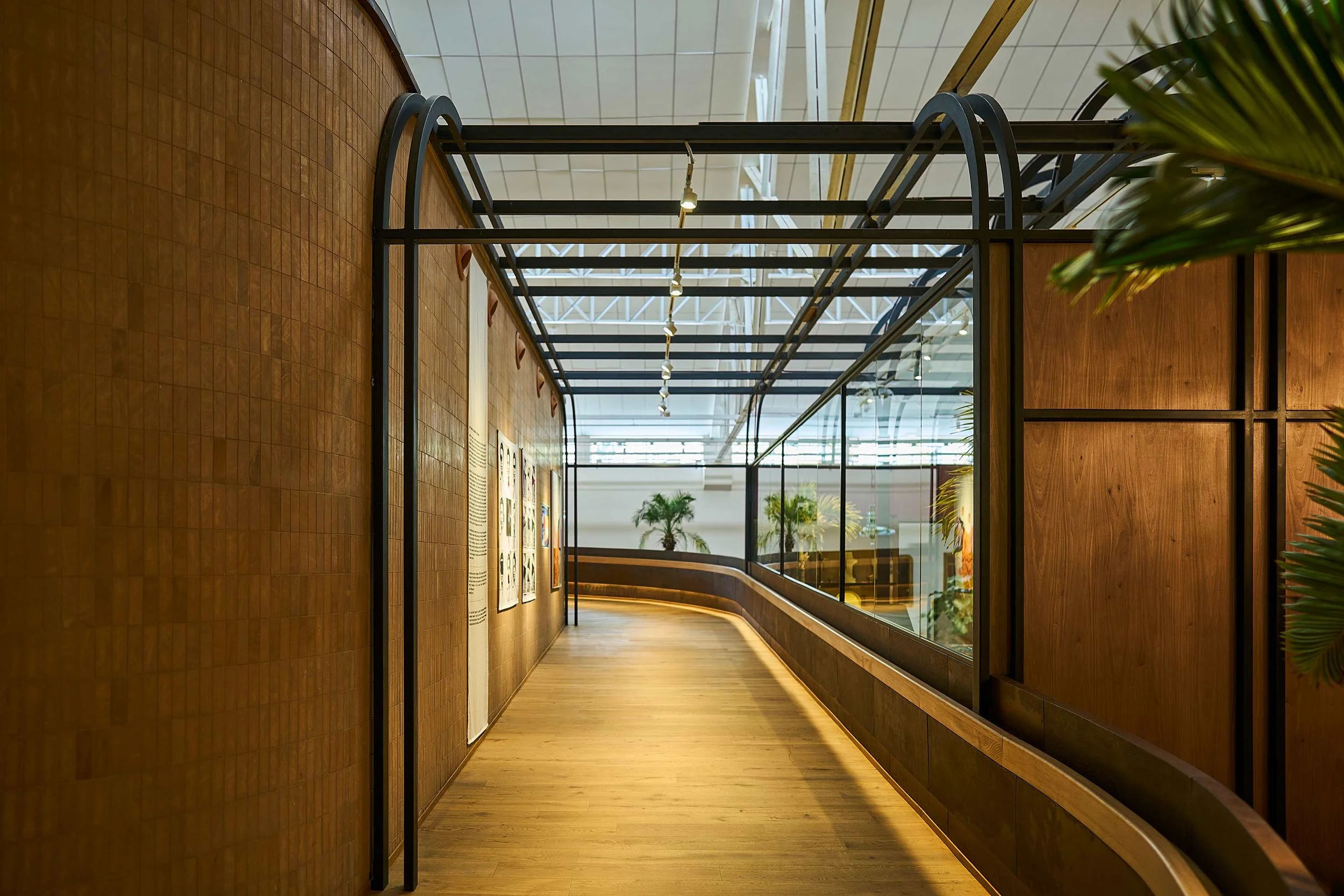
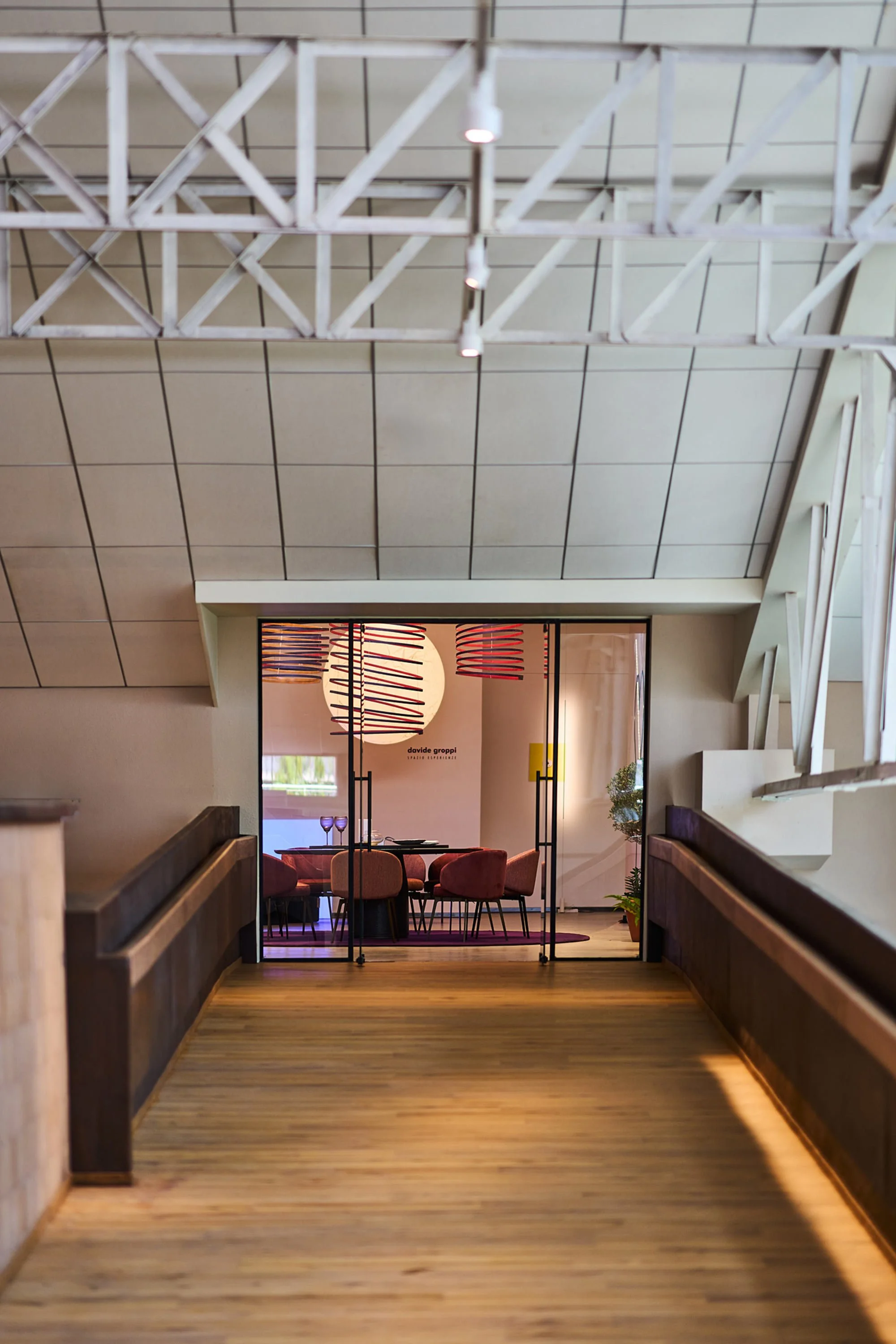
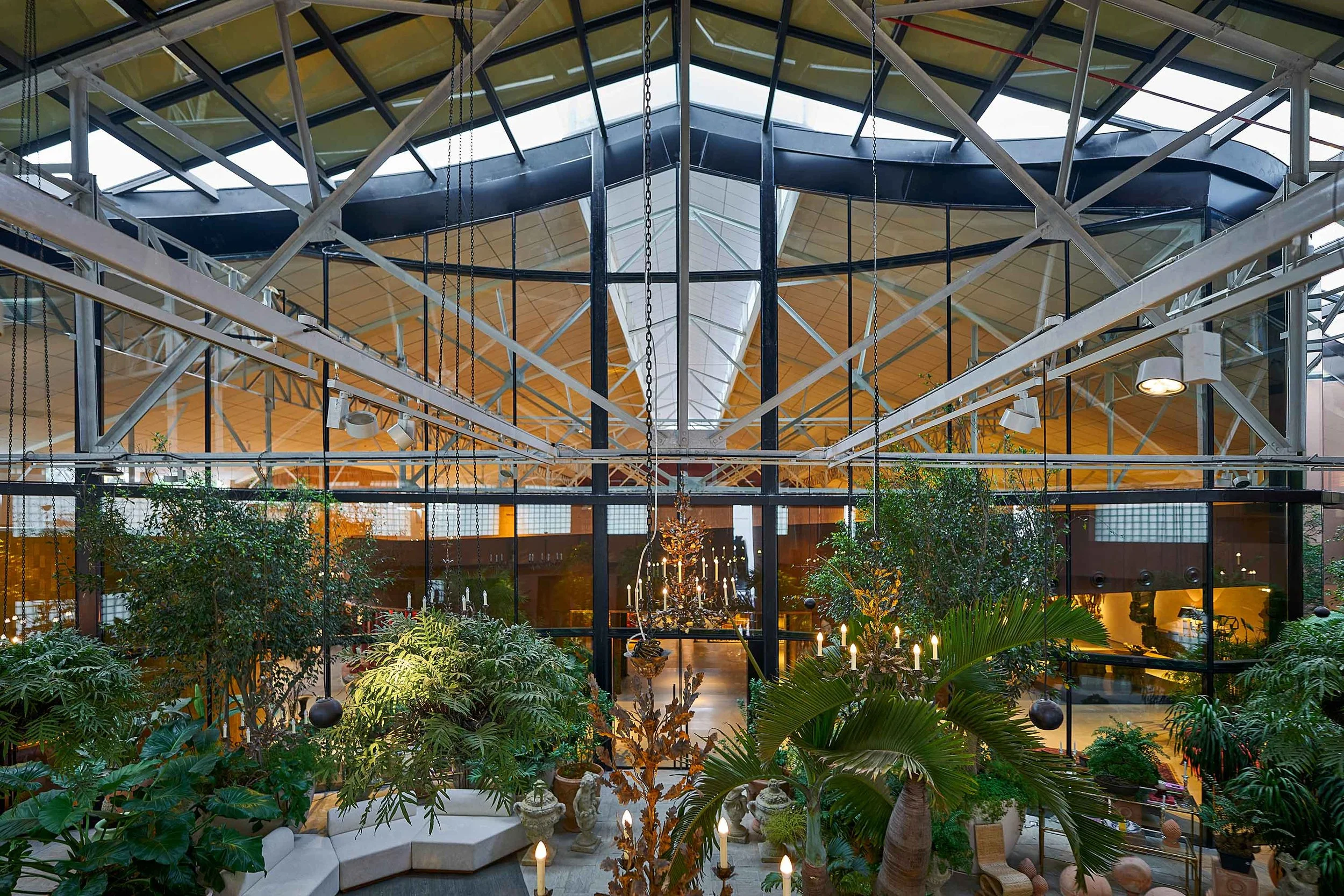
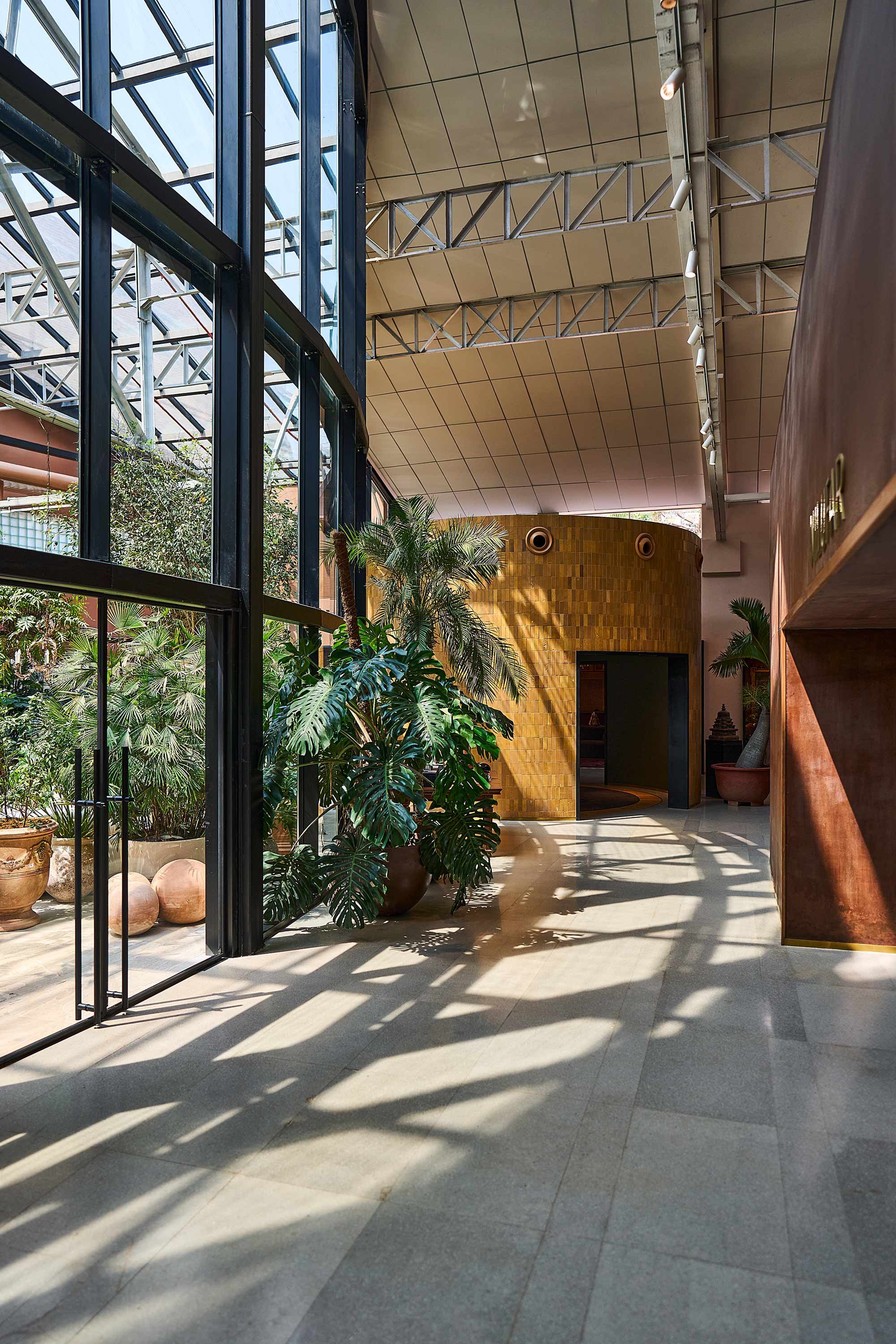
Even though it was an interior-focused project, Shroff tried to weave in subtle nods to architectural history, creating moments that someone with a trained eye might recognise and appreciate on a deeper level. The most prominent of these is the ramp connecting the warehouse and the shophouse, which the designer visualised as a promenade. ‘The idea was to use materials like Corten steel — industrial, raw and minimal — to create a striking contrast with the more luxurious elements. The ramp seems almost like a Richard Serra sculpture, carving and dividing space in a bold, sculptural way,’ shares Shroff, who deftly concealed the services within the spine of the structure. In a bid to invite the sun deeper indoors, he introduced an abundance of skylights, glass brick walls, a central courtyard, Italian-esque follies and — in a move never seen in Mumbai — a luminous, double-height orangery with a glass roof. This sleight of hand was made possible only after fortifying the historic walls.
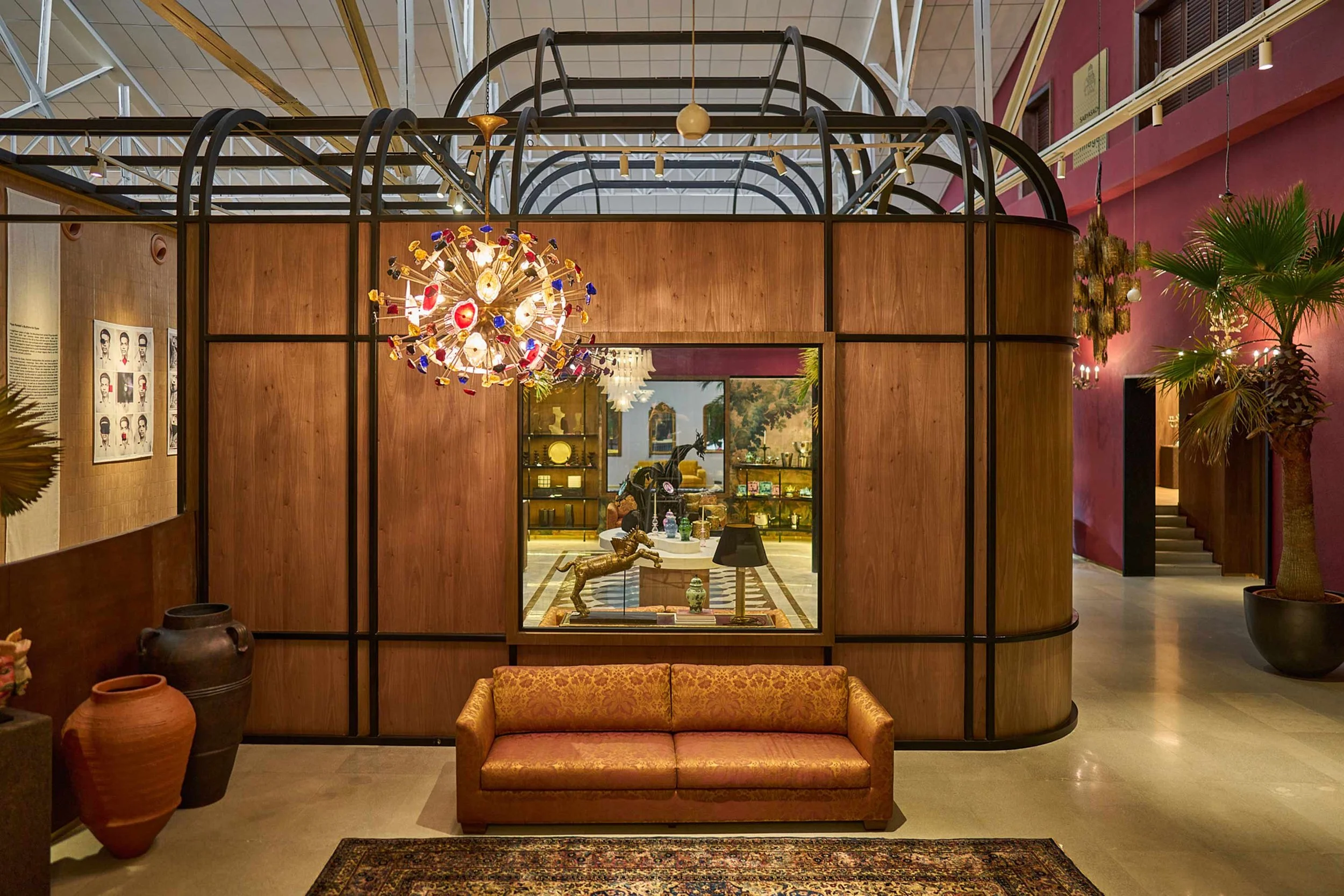
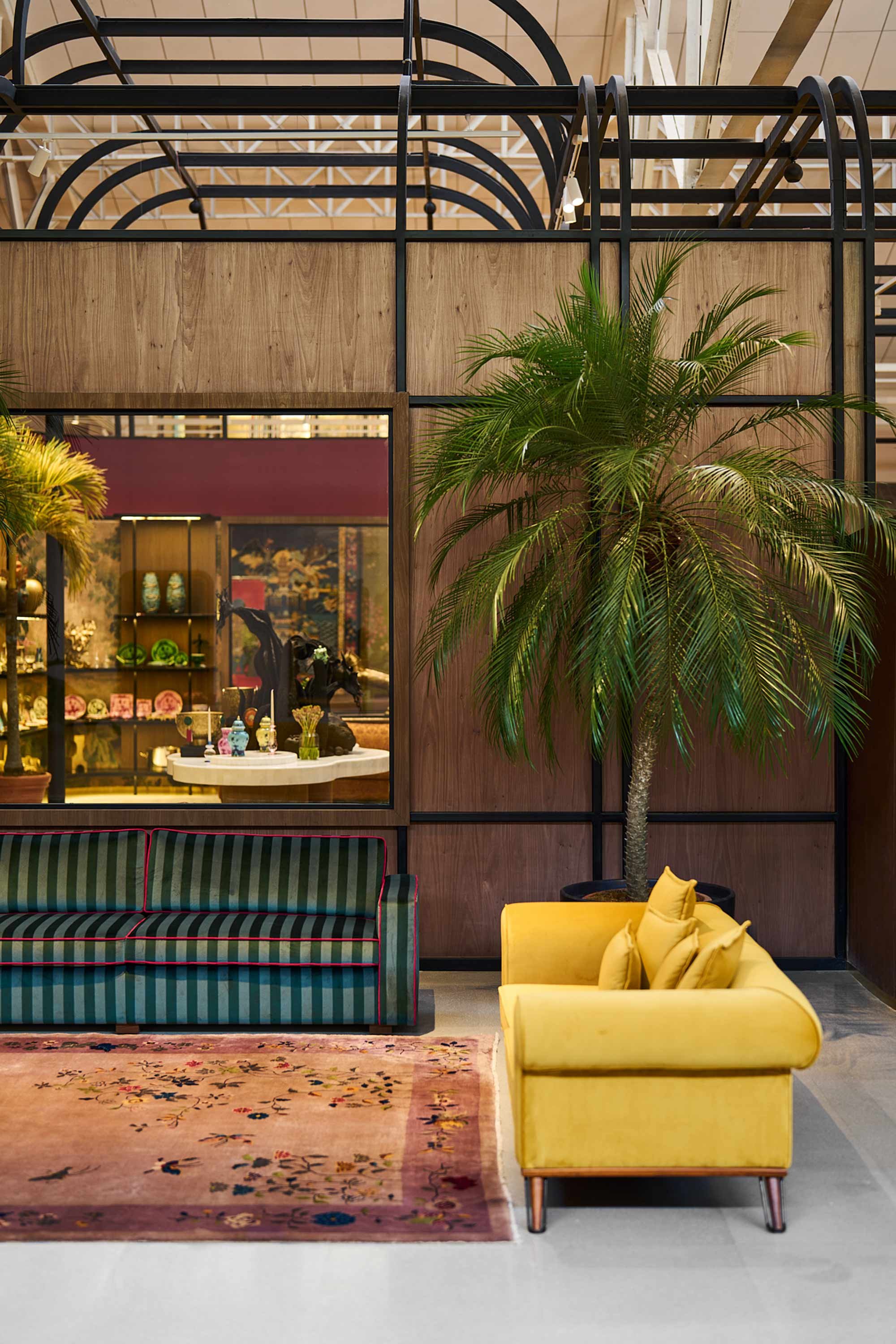
The shophouse, a 500-square-metre space for craft-led brands curated by Nilaya Anthology’s design director Pavitra Rajaram, was further divided into five small chambers. These include a perfumery and candle library, a ‘cabinet of curiosities’ with niches for displaying individual pieces, a section for barware and tableware, and a textile zone. One of these chambers connects to a folly designed as an antique room — a vaulted, gilded space featuring custom terrazzo with brass inlay, illuminated from above by a skylight.
Throughout, Shroff was intentional with his palette, selecting a combination of terrazzo, timber, concrete, marble, and handmade terracotta and other ceramic tiles for how they age, their tactility and their ability to host natural light and shadow. In a sense, the design mimics the city itself — a quiet collision of the rough and the refined, the formal and the incidental, where movement, occupation and light are the true choreographers.
Text by Vaishnavi Nayel Talawadekar