In Bangkok, a New Museum Hides Thailand’s First Permanent James Turrell Installation
Designed by Kulapat Yantrasast of Why Architecture, Dib Bangkok will bridge Thai and international art in a calm enclave amid the city’s bustle
Dib Bangkok is best approached on foot or with the car windows down. Set in the lively Khlong Toei district, the museum embraces the shift from delightful urban jumble to an almost Zen-like calm. ‘I’ve always told my architects to design a life, not the form,’ says Kulapat Yantrasast of Why Architecture, the museum’s designer. ‘A building alone doesn’t make a museum — I felt the need to create a place.’ This continues Yantrasast’s approach to previous projects, in which he steps away from the typical neutrality of museums, favouring a sense of welcome and engagement.
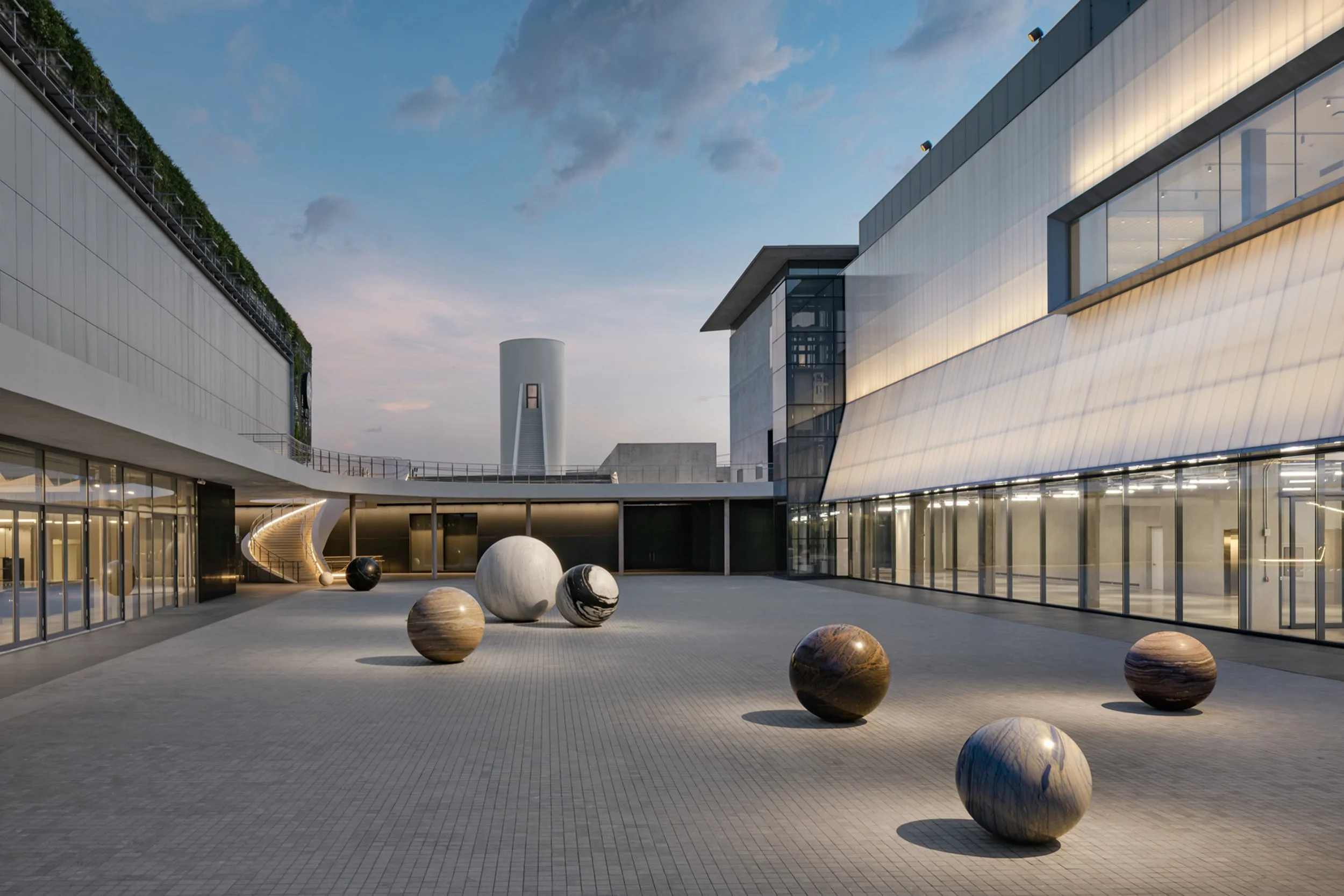
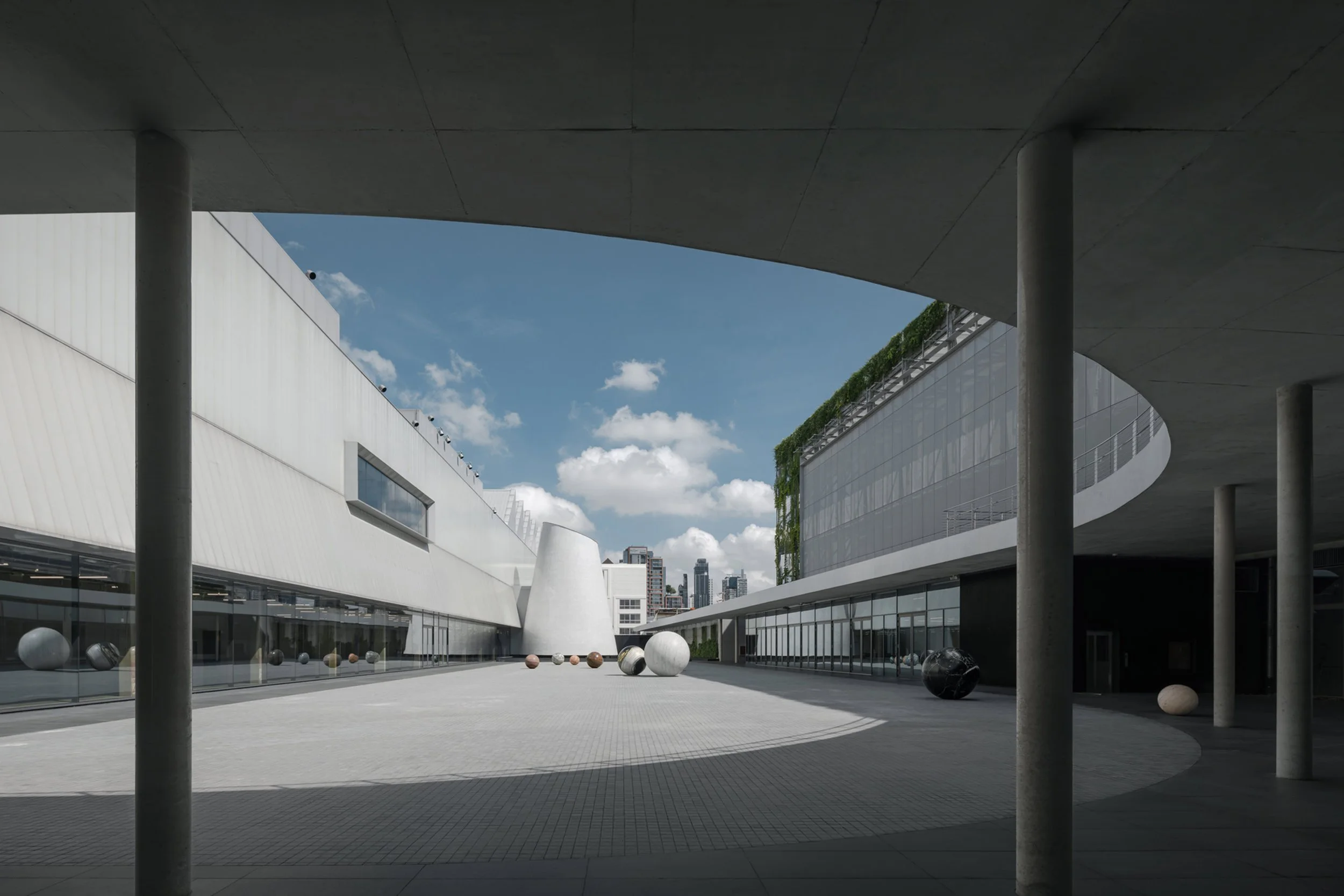
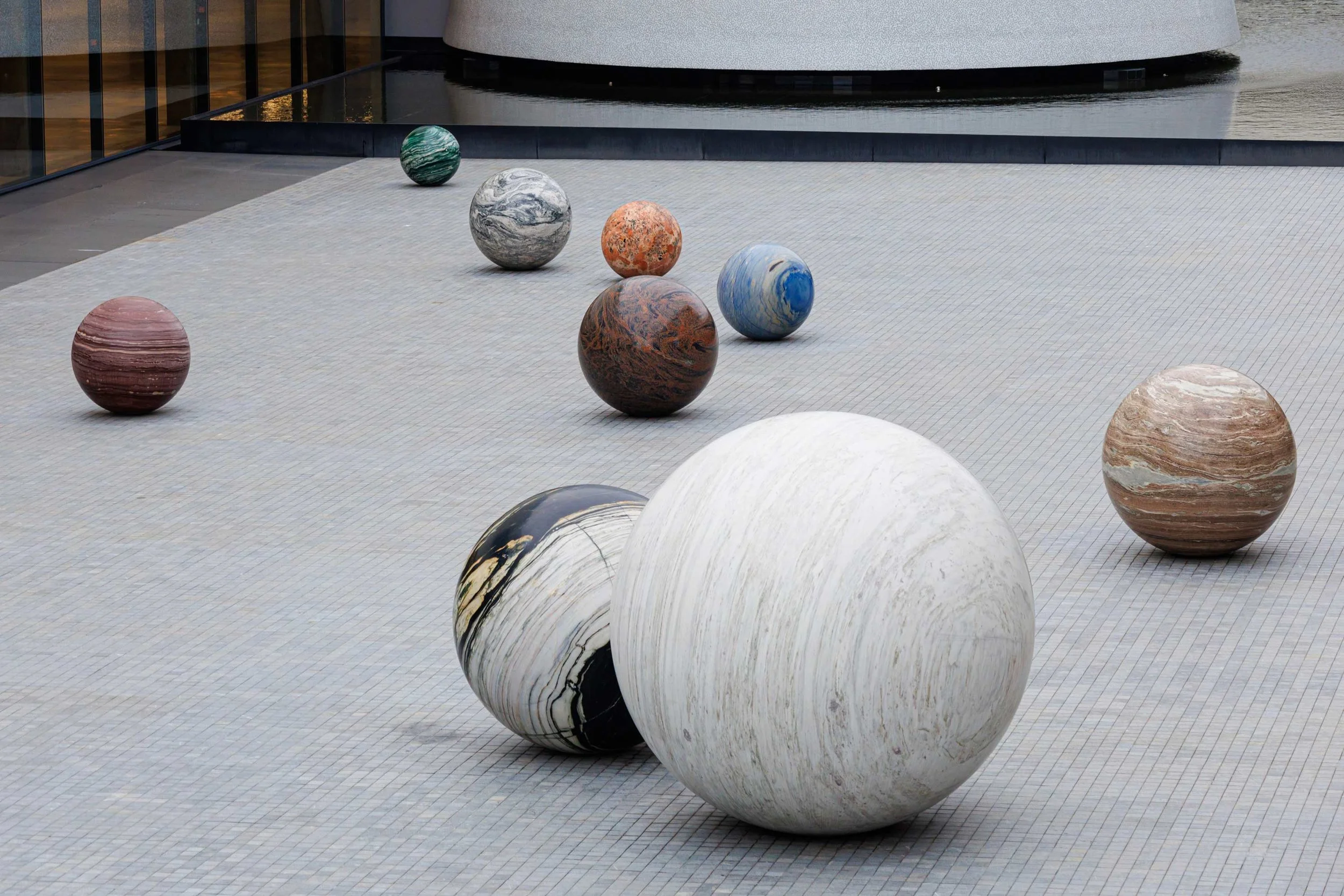
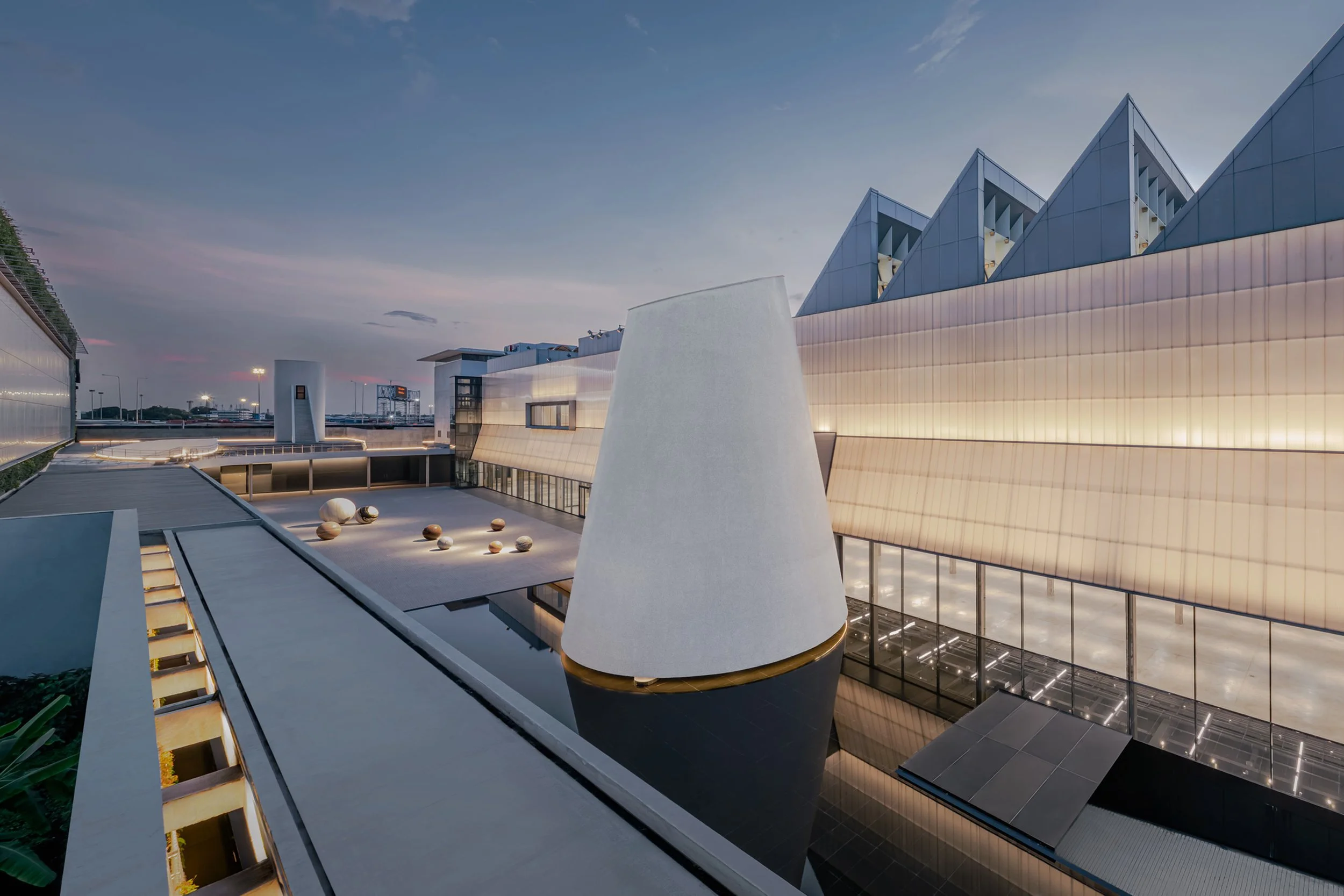
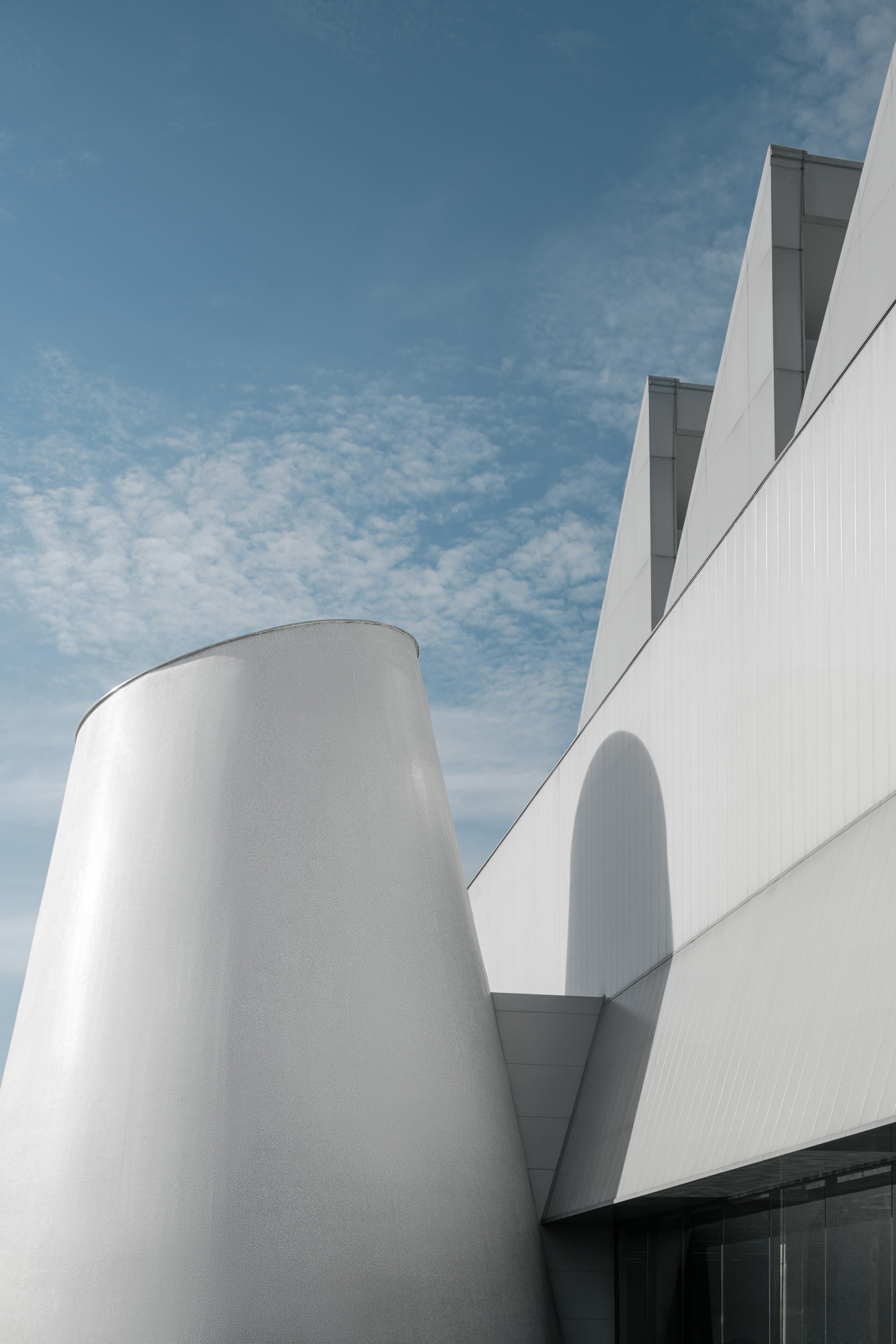
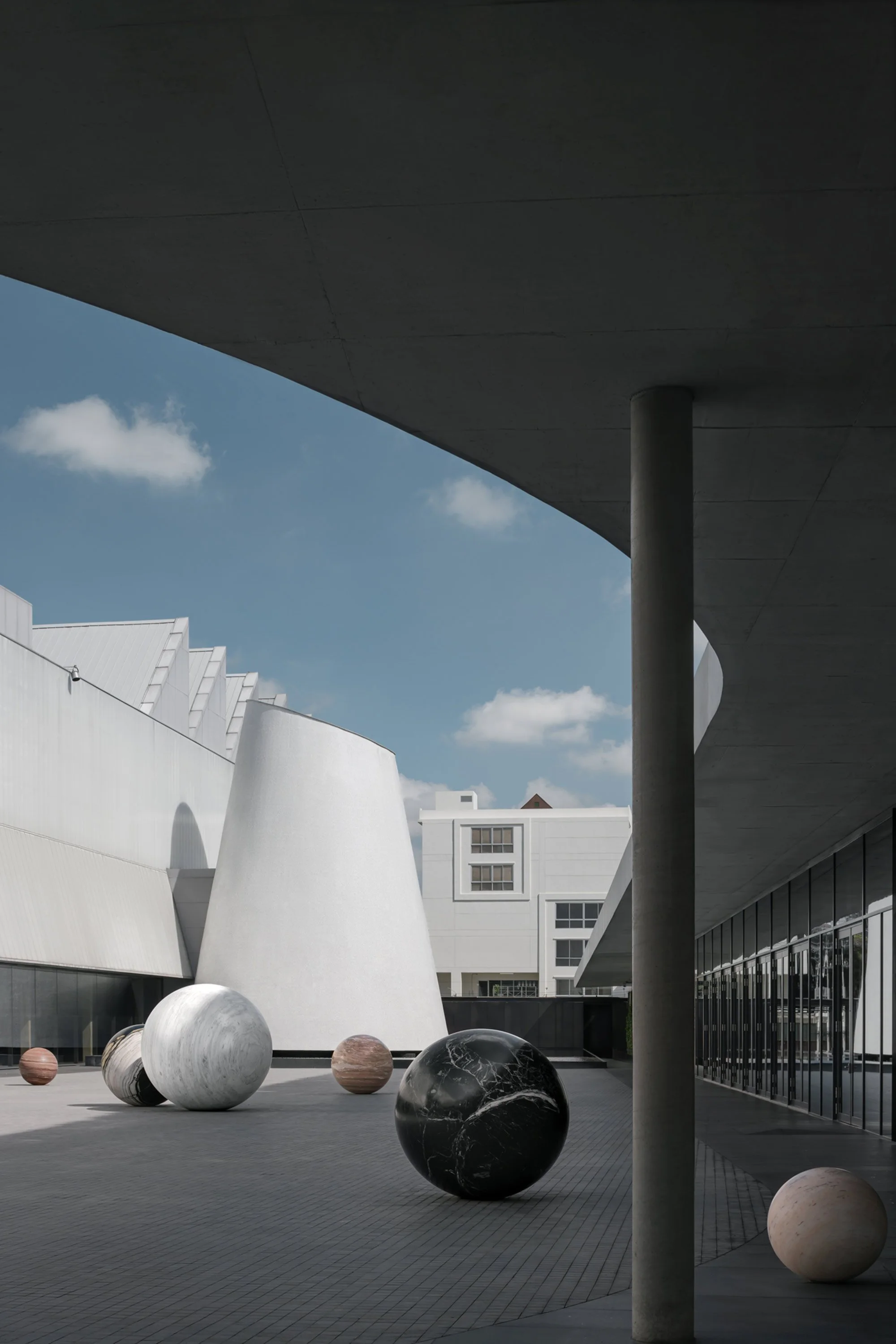
Along a gently inclined ramp fringed by a reflecting pool and a living wall, visitors enter directly into Dib’s broad courtyard, where marble globes by Alicja Kwade sit like a miniature solar system. The museum unfolds in an inverted U-shape, with the left wing housing ticketing, the bookshop and a soon-to-open bistro, and the right holding the main galleries across three floors. A polycarbonate skin sheaths the gallery block, gently luminous at night; its translucency eases the weight of the adjacent cast-in-place concrete mass. ‘I didn’t want the material to be too distracting,’ Yantrasast says. ‘The essence is actually in the void, which is the proportion and the light, and that’s waiting to receive the artwork.’
Yantrasast works with light as a material. At Dib, he choreographs it to shape the visitor’s journey, letting the building brighten progressively with each ascent — an allusion to spiritual enlightenment. At the top, saw-tooth skylights draw in the softer northern light, bathing the top-floor galleries without glare. The roof nods to the site’s industrial past as a warehouse, though beyond the exposed structural frame inside and a few other retained elements, the project is essentially a complete reworking. Anchoring the courtyard, a chimney-like form recalls Le Corbusier’s sculptural language in Chandigarh. This is the Chapel, a conical gallery clad in porcelain tiles that reference traditional Thai temples. Opposite it, on the mezzanine planned for a sculpture garden, are steep, narrow stairways leading to a cylindrical tower that will house Thailand’s first permanent James Turrell installation.
Yantrasast’s portfolio includes new wings, pavilions, architectural interventions and full buildings for some of the world’s most prominent art and culture institutions, working with his studio, Why, and earlier alongside Tadao Ando. Still, Dib holds a special place for him as his first cultural project in his native Thailand. ‘I think it’s a beautiful point of departure,’ he says. ‘It will be such an important springboard to bring Thai contemporary art within the context of the international art community.’
The vision for Dib stems from avant-garde patron Petch Osathanugrah, who imagined a home for his international collection but didn’t live to see it realised. His son, Purat Osathanugrah, carried the project forward. As Ariana Chaivaranon, Dib’s inaugural curator, notes, the collection continues to grow, aligned with the founder’s original ethos of supporting emerging Thai artists. ‘Khun Petch was among the earliest collectors of many Thai artists who are now renowned worldwide,’ she says. ‘It's in our blood as an institution to place contemporary local artists in dialogue with something broader.’ Aptly titled, the opening show, (In)visible Presence, debuts on 21 December in tribute to the late patron.
Text by Tomás Pinheiro
Images courtesy of Dib Bangkok